
Social Justice is our cause.
We invite you to take part in our exercise. Let’s learn together.
(8 minute read)
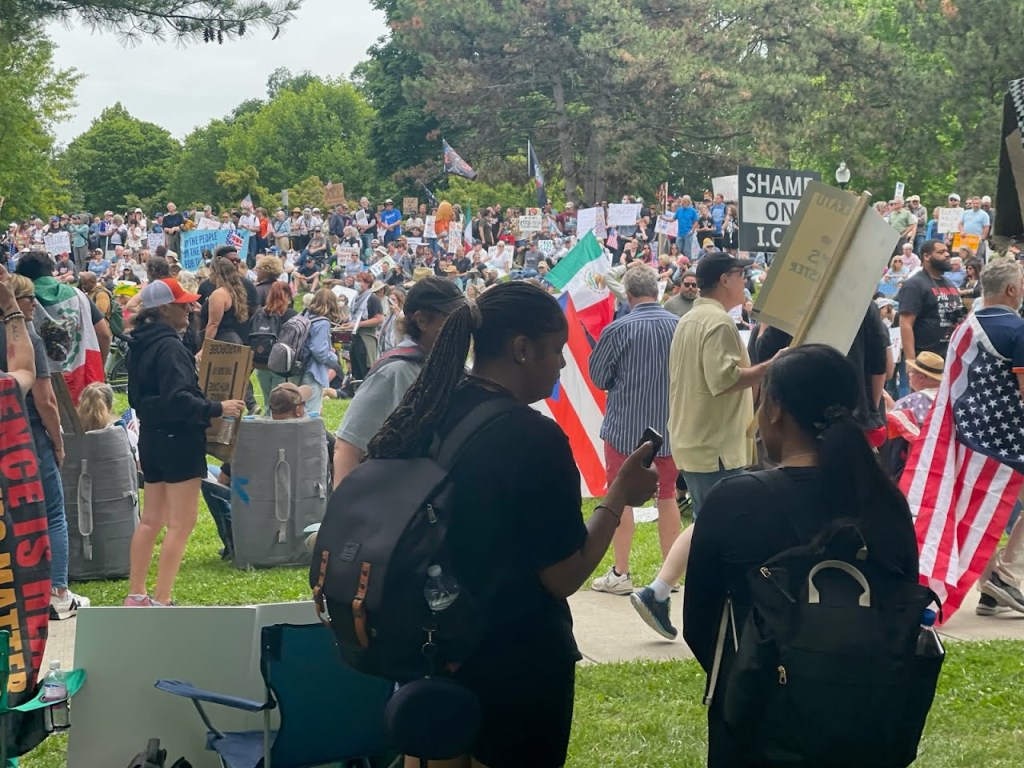
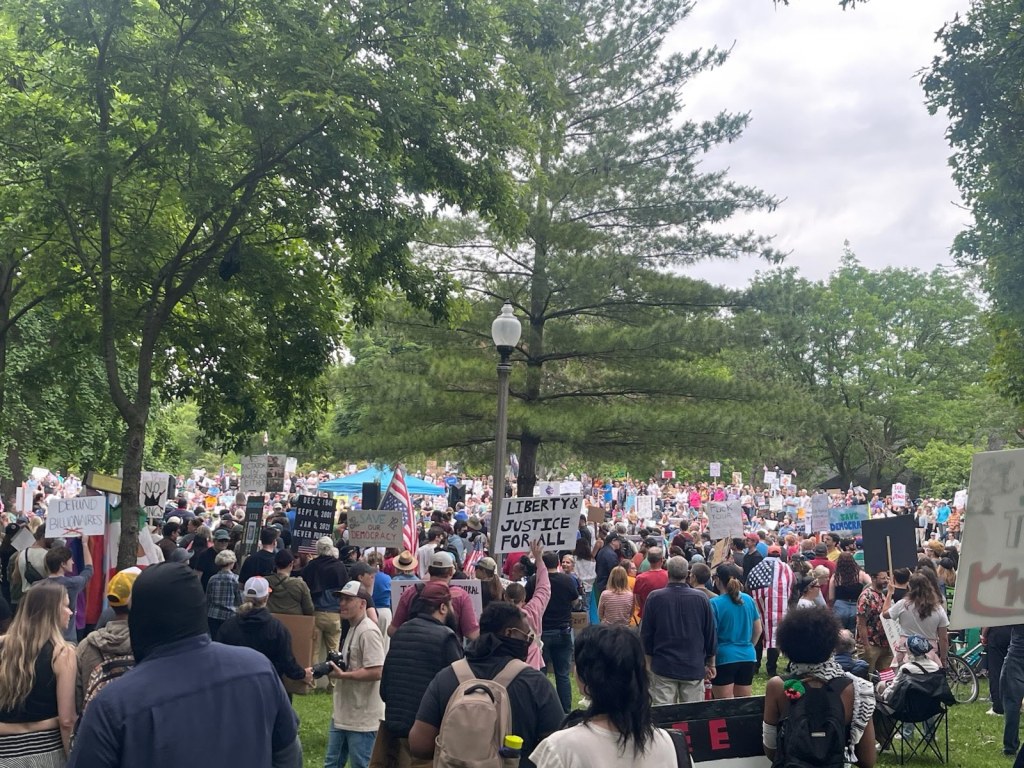
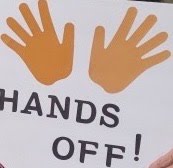
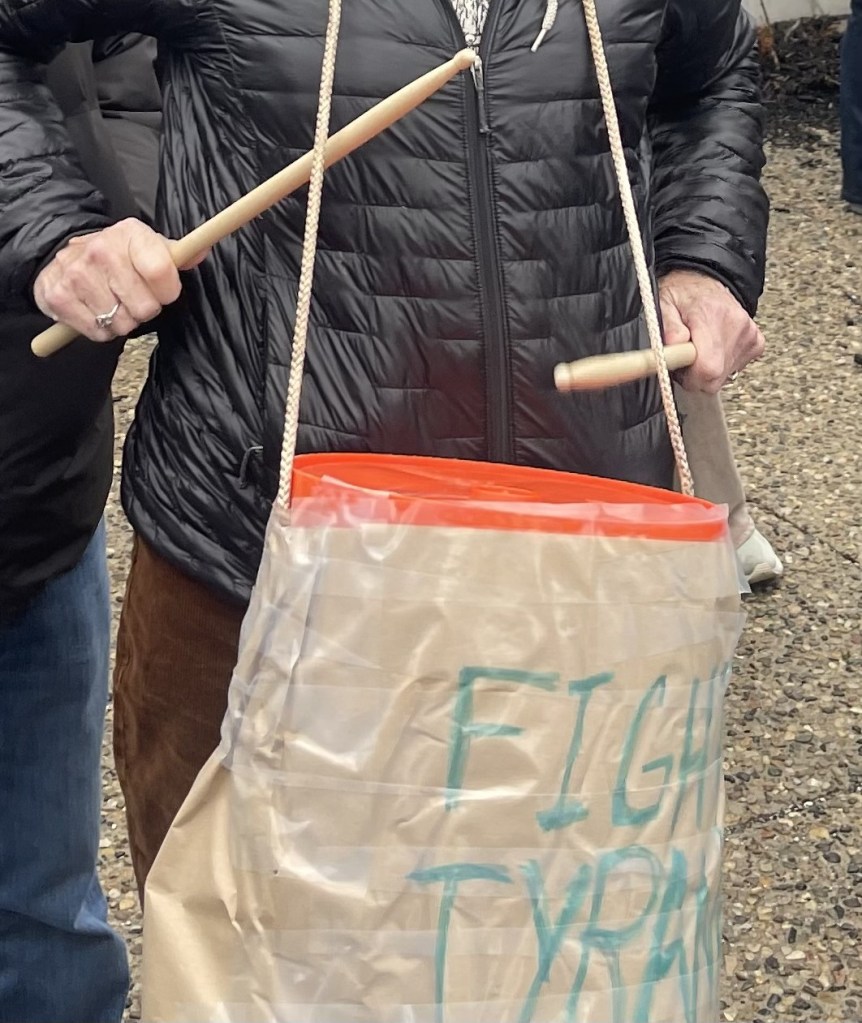
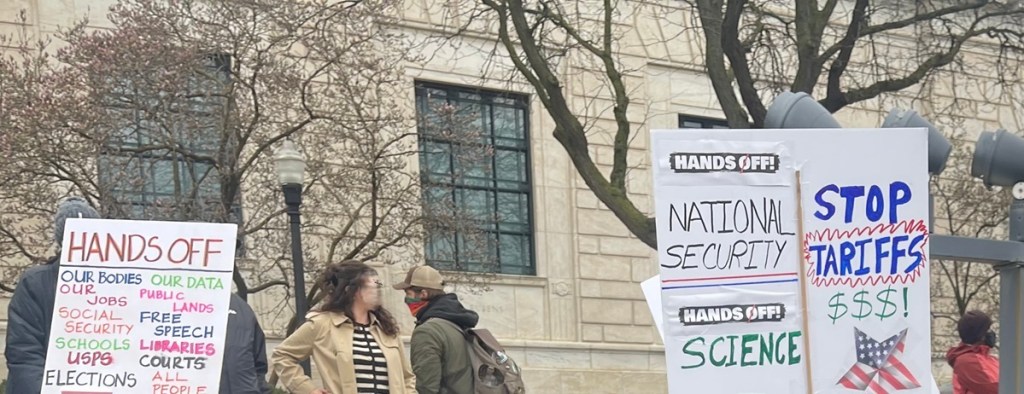
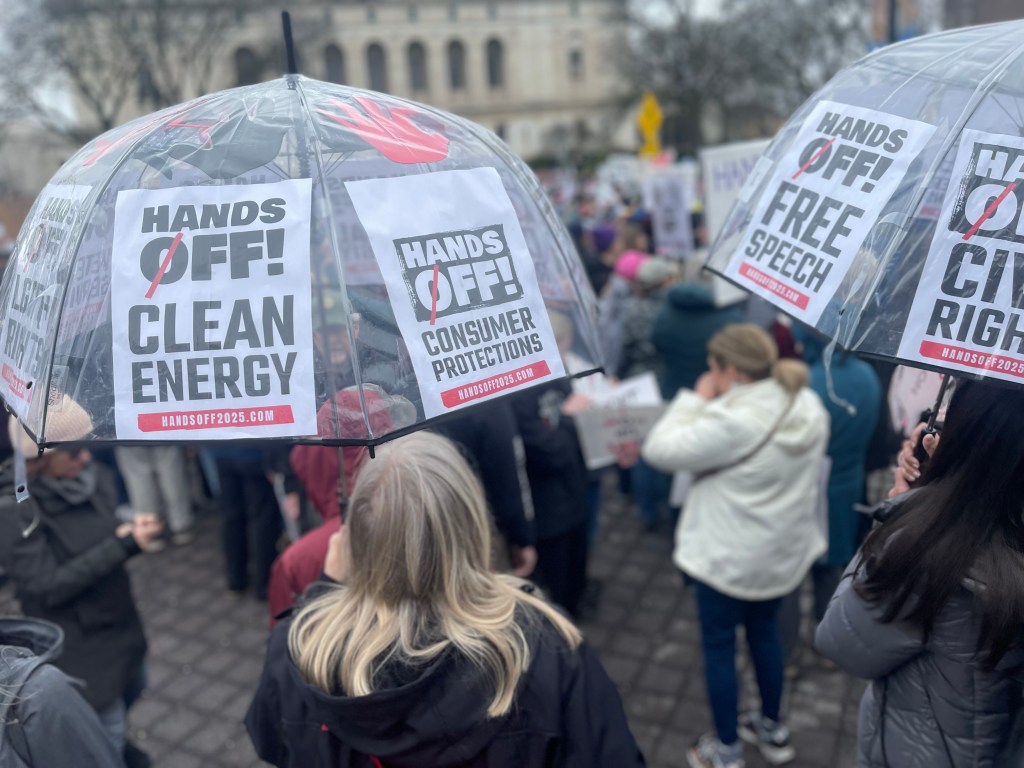
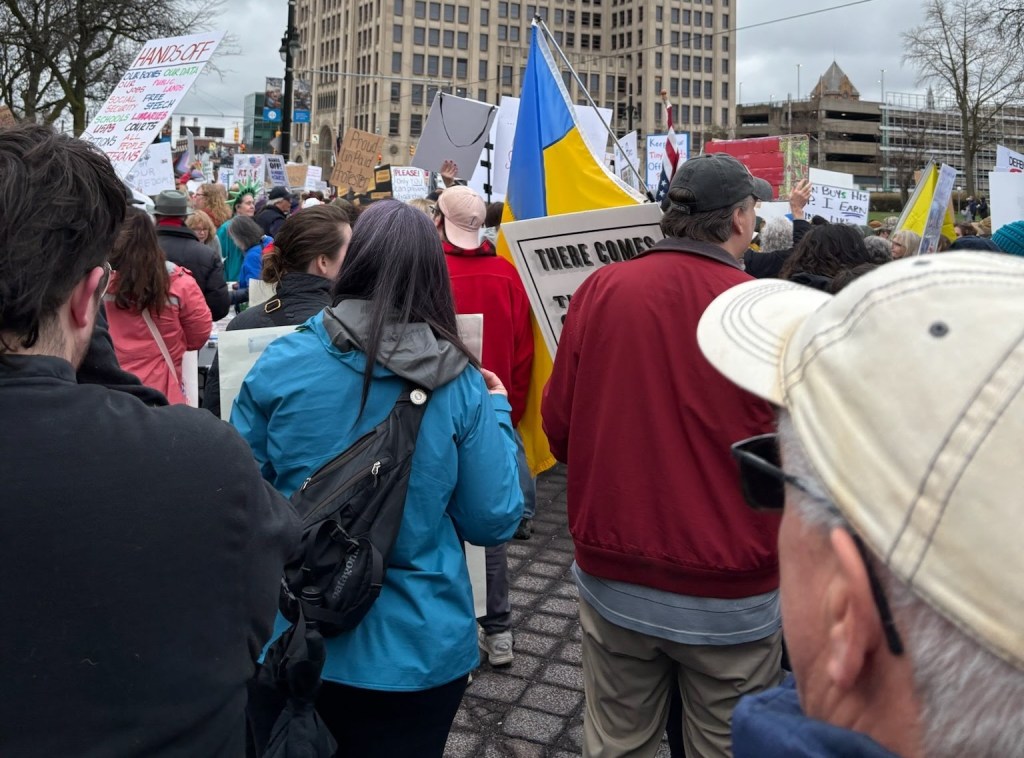
Photo ‘No Kings” protest. June 14, 2025, Clark Park, Detroit. First aid workers standing by.

By Joann Castle
Welcome to friends old and and new. It’s so nice to be with you again.
Here at “What My Left Hand Was Doing”, we have been participating in recent protests and examining what we have learned. Protests alone are not enough to alter the speed of our Democracy’s undoing. An intergenerational1 strategy and community organizing is needed. Our country of laws is being dismantled. We need to replace the empty space left by our losses. We need to choose local leaders and make a plan to create a community where we can support and care for each other.
LESSONS LEARNED:
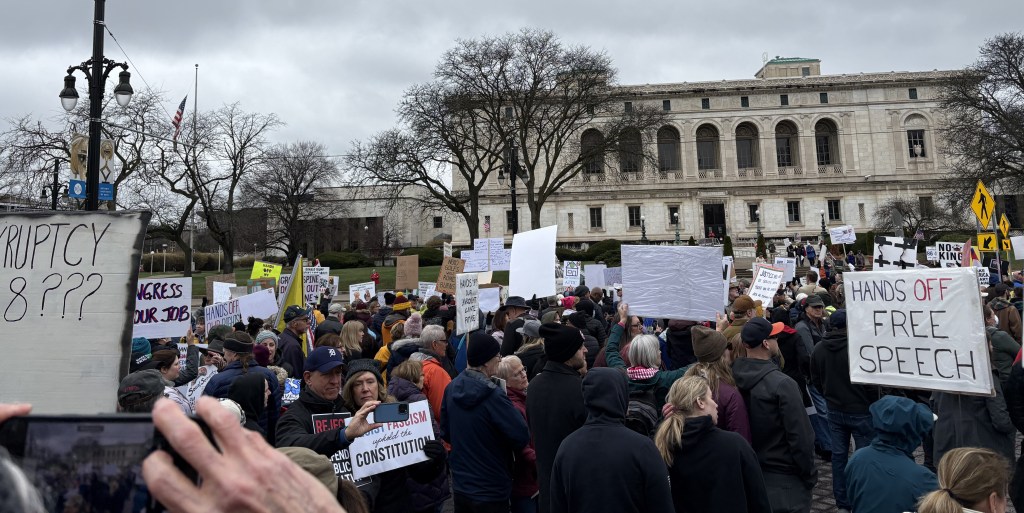
Let’s revisit my “The Activist’s Survival Guide.” (click here) The first principle in the Survival Guide challenges us to: BECOME A STUDENT OF SOCIAL ACTIVIST HISTORY. Knowing our history is essential to understanding who we are. Failure to know our history dooms us to repeat avoidable, sometimes fatal mistakes.
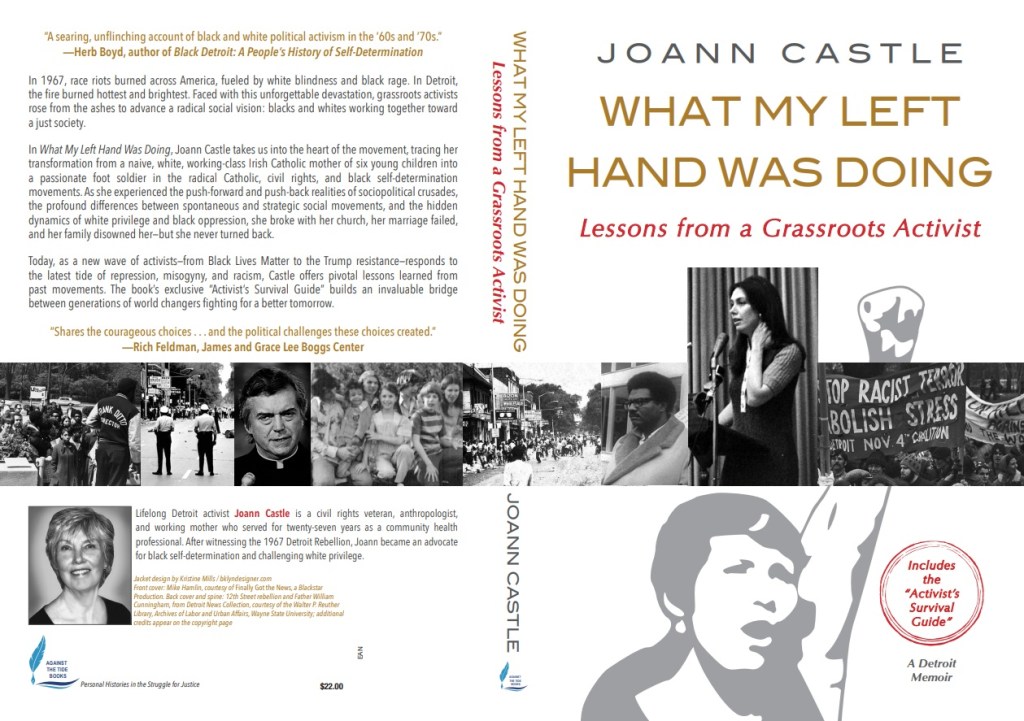
My Activist’s Survival Guide is a compilation of lessons learned during the emotionally charged years of victories and disappointments where Black and white activists worked together in Detroit after the 1967 Rebellion and on into the 1970s. Control, Conflict, and Change, the biracial book club we created was our crowning achievement.
Three hundred and fifty people showed up for our first meeting. Black leaders chose the books and the guest speakers, and led the table discussions. Attendees from the community were primarily white people who stayed in the city after the uprising and supported the Black struggle. This model was later adopted in other cities.
Today, activists face a task as riddled with racism as anything we faced in the past but the context is different and the consequences could be dire. It is unclear at this time what efforts will be needed to save our Democracy. The interim goals that follow are a menu for a calculated resistance and provide a short term achievable plan to lead us forward.
OUR INTERIM GOALS:
- Educate ourselves on the history of our movement
- Achieve a deeper understanding of our current situation
- Learn how intergenerational collaboration can help us
- Choose our leaders and organize in our communities
- Make a commitment to do something, however small, to save our Democracy.
SETTING THE STAGE FOR OUR EXERCISE:
Let us begin our first actionable goal by setting the stage for our history exercise. Our current experience (seemingly a new 1800s Gilded Age2) has been led by our President and his billionaire friends. In an effort to enrich themselves, they are using an Authoritarian agenda (link) and ignoring clear danger signals from our past. This includes the social and economic impact on our seniors, our disabled, our working families and their children. Trump did not write this playbook, this has happened before.
THE CONTEXT:
On June 24, 2025, I wrote this in my journal:
“I write today, at the outset of our 4th of July holidays. Last night I gathered with neighbors to watch the Detroit and Windsor Fireworks over the Detroit River that serves as the International border between the U.S. and Canada. The lights from the fireworks disturbed me. Their streams of light shot upwards, curved towards earth cascading in a loud explosion and then smoke. “It’s a missile”, one of my neighbors shouted. No one laughed.”
Yes, it looked like the news from earlier in the day after our president ordered the bombing of Iranian Nuclear facilities. The world held its collective breath and whispered, but why?
This was the night our President demonstrated to the world that he is a strongman and not afraid to take control. Such patterns are not unique in history. Civilizations have struggled for power in this way since the beginning of time as we know it.
Some actionable questions we might ask today are: What can we learn from other countries that have slid into Authoritarianism? How do we peacefully respond and keep our families safe? What roles can intergenerational activists play in helping people meet their essential needs, both physical and emotional? How does new technology help or hinder our actions and outcomes?
Notice how new technology changes the playing field and our ability to reach our goals. For instance on July 8, 2025, The Washington Post reported concerns that “imposters have contacted foreign ministers, a U.S. Governor and members of Congress, sending voice text messages that mimic voice and writing style using AI.” In May of 2025, the FBI warned that “malicious actors and other forms of personalization have spread across the globe.”
We are in upheaval but history informs us, we’ve been here before. The Luddites tried to destroy the printing press. The Cotton Gin disrupted our economy, changing our means of production and was a factor to the outbreak of the Civil War. WWII brought us massive new weapons, Hiroshima’s destruction, and the space age. Our recent infatuation with AI is not a fad; it’s a technological advance and is not going away.
This is the battle of our time. How do we come to terms with it? To take a more objective look at our past, I decided to make a list of some of the battles for control over people and resources during my lifetime. These are events that I remember because they affected me personally. They shaped my health and welfare and major decisions that I made throughout my life. You can do the same.
THE EXERCISE:
Today, I invite you to take part in an exercise—on your own or with fellow activists—that turns reflection into action. Create a list of the battles against injustice you’ve witnessed or joined, and think about how those moments shaped you. In just 5–10 minutes, you’ll see how your story connects to the broader history of social movements and how generations vary in their exposure to life changing events.
Consider how your community has changed, what challenges remain, and how new tools like technology are transforming the fight for justice. This practice is more than reflection—it’s democracy in motion and a glimmer of hope for building the future we want together.
Recalling the major activist battles of my lifetime, I selected these from my early activist life.
- The Civil Rights Movement years (1954 – 1968) were my Enlightenment period.
- Bloody Sunday in Selma and the Edmund Pettis Bridge. (1965)
- The Alabama killing by the KKK, of Viola Liuzzo, a Detroit mother of 5–like me. (1965)
- The 1967 Detroit Rebellion3 and aftermath.
- Our post-Rebellion biracial book club; Control, Conflict and Change. (1970-1972)
- Detroit Police attack peaceful Poor People’s Campaign marchers (injuries). (1968)
- Sit-ins in the office of the mayor and police chief and protests on Detroit streets. (1968)
- My elevator confrontation w/Catholic Archbishop Dearden. Fed Investigation. (1968)
- Suburban women on-call for Cop-Watching to monitor police behavior. (1970)
- Union organizing in my community hospital workplace. (1972-1981)
Each of us has stories that explain who we are. This is why using generations as a guide is so helpful in recounting our efforts through many lenses. Community organizing will assist us in integrating culture and identity into our strategic plans. Combined, these approaches will provide the best outcomes to benefit the largest, most needy groups of our citizens.
There is no time to lose. We have armed military on our streets in some of our largest cities. ICE is in action across our country. Citizens and non-citizens, including children, are disappearing and being housed in detention centers. We need to put our activist history in perspective and see what we can learn. Discussions of the past will inform our future work.
Ready for a challenge? Grab a few activist friends and do the exercise. Let’s learn together.
Come join us. Learn, reflect, organize and pass it on.
What did you learn in your exercise? We’d love to know.
You can find us at… (www.activistssurvivalguide.com)
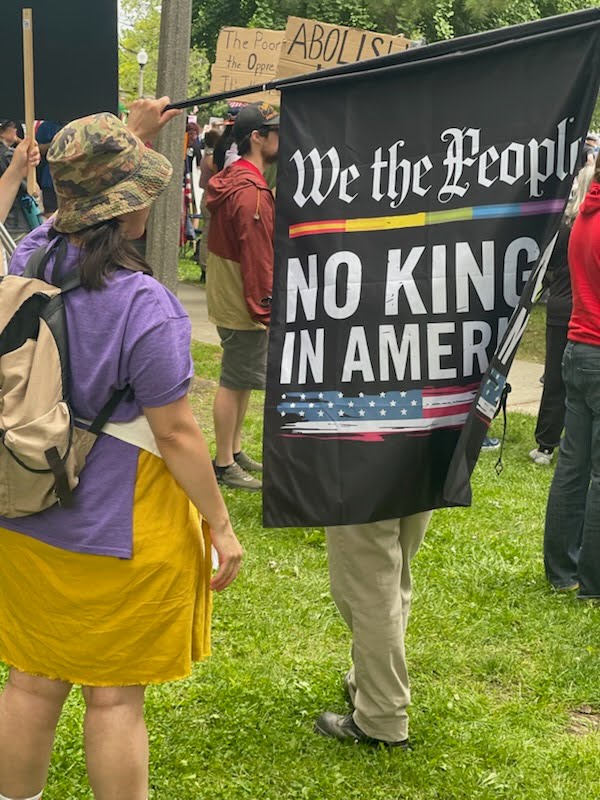
Photo ‘No Kings” protest. June 14, 2025, Clark Park, Detroit. The largest protest in American history 4 to 6 million people participated in 2100+ events across the globe.
FOOTNOTES:
- Intergenerational collaboration is the intentional cooperation between people of different age groups to share knowledge, skills, and perspectives, fostering mutual growth, problem-solving, and community cohesion. It involves recognizing the unique strengths each generation brings—such as youth’s innovation and older adults’ wisdom and experience—to create solutions and build relationships that benefit individuals and society. Effective collaboration requires an inclusive environment where all ages feel respected and valued, leading to better outcomes in workplaces, communities, and across generations. ↩︎
- The Gilded Age, a term coined by Mark Twain, refers to the period in U.S. history from the 1870s to around 1900, characterized by rapid industrialization, significant wealth creation by a few, and widespread political corruption and economic inequality beneath a thin veneer of prosperity. This era saw the rise of powerful industrialists, massive immigration, urban growth, and technological advancements, alongside the increasing poverty of the working class, dangerous factory conditions, and a rise in political corruption. ↩︎
- The “Detroit Rebellion,” also known as the Detroit Riot of 1967 or the 12th Street Riot, was a five-day period of civil unrest in July 1967 that began with a police raid on an unlicensed bar in Detroit, Michigan. This uprising was the largest urban rebellion in U.S. history, leading to 43 deaths, hundreds of injuries, and extensive property destruction. It stemmed from decades of systemic racism, police brutality, unemployment, and poverty within the city’s African American community, and is sometimes referred to as a “rebellion” to highlight the community’s long-simmering anger and frustration over deep social injustices. ↩︎
If you would like to stay informed, please subscribe by using the button on the left.
All rights reserved.
I would like to thank our technical staff for their able assistance in building this site.
Website staff. Technical: Alexander Hamlin. Webmaster: Mollika Biernat.



 The Activist's Survival Guide